
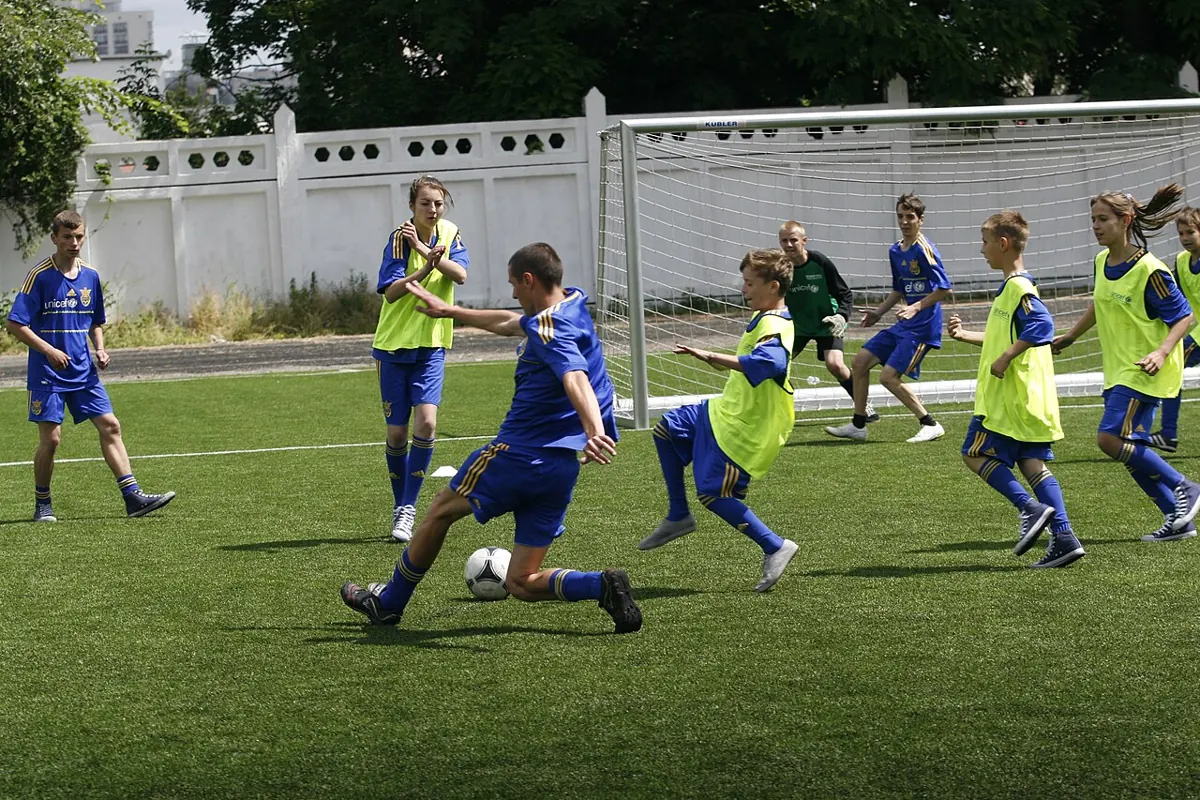
The most useful support is steady and unconditional — showing up, reacting to effort and attitude rather than the scoreline, and keeping the sideline positive instead of shouting instructions during play.
Kids pick up on whether love and approval feel tied to results, and that pressure tends to backfire, making the game feel like a test instead of something fun. Saving feedback for a calm conversation later, if the kid even wants one, usually lands better than anything said right after the final whistle.