
Soccer is often called the worlds game, and its path to becoming the most popular sport on the planet runs through a specific, well-documented moment in the 19th century — even though games involving kicking a ball toward a goal existed in various forms in many cultures long before that.
Before the modern rules
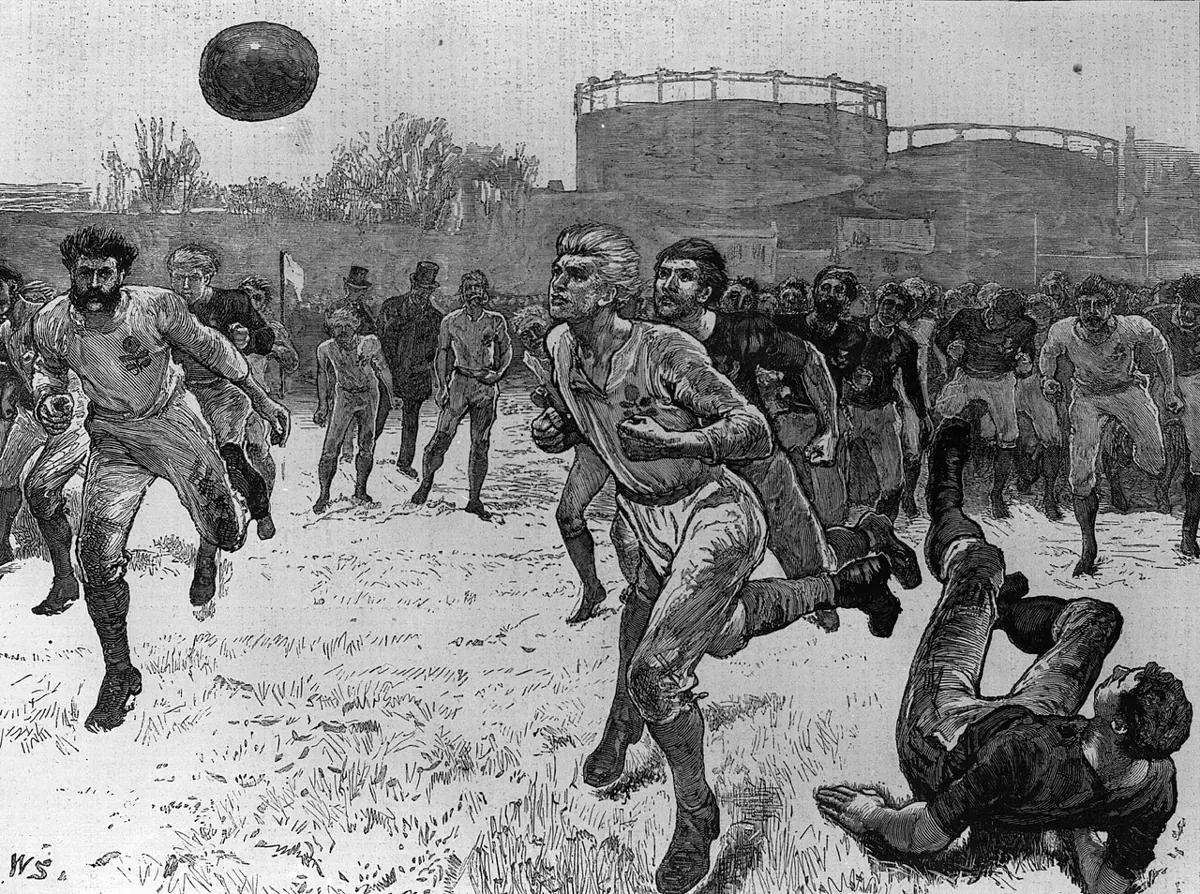
For centuries, different regions had their own informal, locally varying games that involved kicking a ball. In England specifically, various public schools each played their own version of football with different rules, which made it difficult for students from different schools to play against each other once they moved on to university.
The Cambridge Rules of 1848
In 1848, students at Cambridge University drew up what became known as the Cambridge Rules — one of the first serious attempts to merge these different school versions of football into a single, shared code that players from different backgrounds could agree on and play by together.
The Football Association, 1863
The next major milestone came in 1863, when representatives of several English clubs and schools met in London and founded The Football Association — the first official governing body for the sport. This meeting is widely seen as the formal birth of modern soccer, since it standardized the rules nationally and, crucially, drew a clear line between what became association football (soccer) and rugby football, which had been evolving as a separate code that allowed handling the ball.
From England to the world
Once a single, written set of rules existed, the game spread rapidly — first through the British Empire and trading networks, then across Europe and South America, carried in large part by British workers, sailors, and expatriates who played the game wherever they went. Local clubs and associations began forming in country after country through the late 1800s and early 1900s.
FIFA and the first World Cup
As the sport became genuinely international, national federations needed a global body to coordinate competition between countries. The Fédération Internationale de Football Association, better known as FIFA, was founded in Paris in 1904 to serve exactly that role. Decades later, FIFA organized the first World Cup, held in Uruguay in 1930, with host nation Uruguay winning the final against Argentina.
Why this history still matters
Understanding this timeline explains a lot about the sport today — why so much soccer terminology and early organizational structure traces back to England, why the sport is called football almost everywhere outside North America, and why a single, shared rulebook (rather than many regional versions) was the key development that allowed the game to become genuinely global in the first place.