
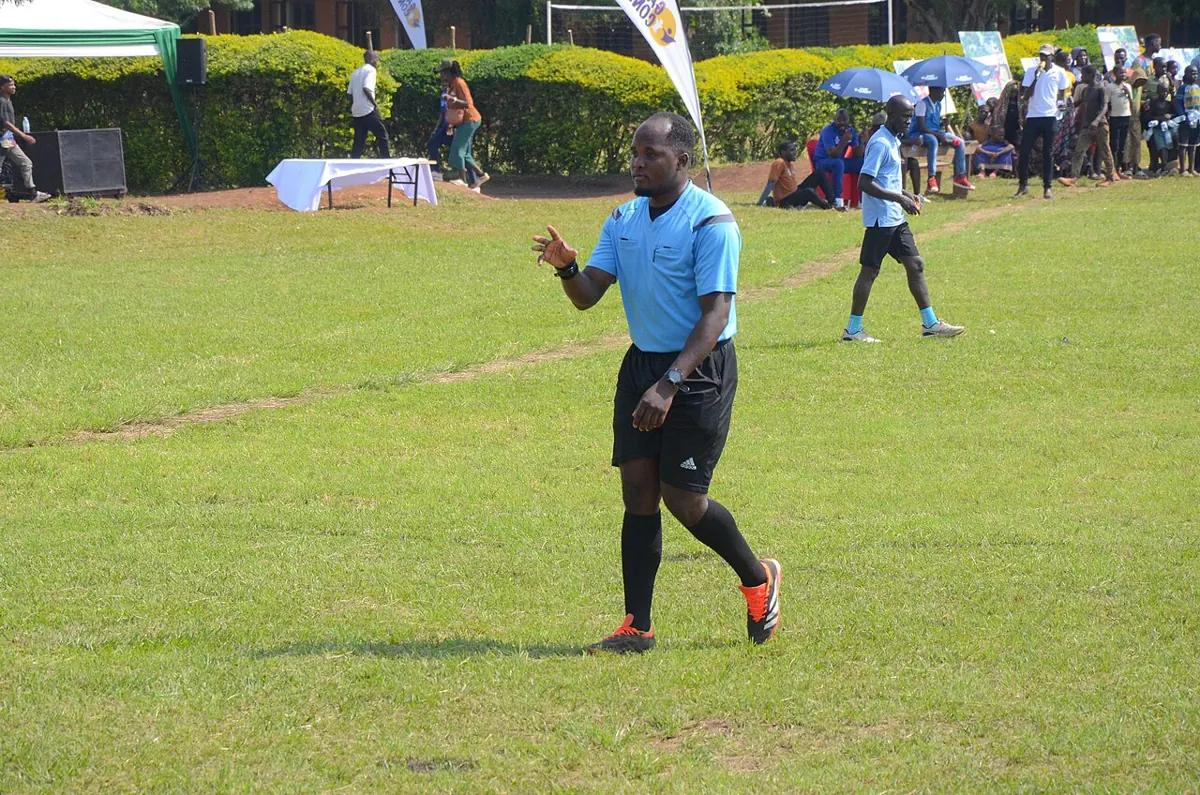
VAR — the Video Assistant Referee — has become a standard part of top-level football over the past several years. It is widely used, and widely debated. Here is what it actually does, and what it does not do.
What VAR is
VAR is a team of officials, working away from the pitch with access to multiple broadcast camera angles and replay tools, who support the on-field referee. VAR does not replace the referee or make decisions independently — the on-field referee remains in charge of the match and makes the final call.
What VAR can review
- Goals, and whether there was an infringement in the build-up (such as a foul or offside).
- Penalty decisions — both whether one should have been given, and whether one was wrongly given.
- Direct red card incidents.
- Cases of mistaken identity, where the referee has cautioned or sent off the wrong player.
VAR is deliberately limited to these categories. It is not used to review every decision in a match, and it generally does not get involved in subjective judgement calls like whether a foul deserved a yellow card rather than nothing at all — only clear, factual errors in these four categories.
How a review actually works
When the VAR team spots what it believes is a clear and obvious error, or a serious missed incident, it alerts the referee. The referee can then either accept the VAR teams recommendation directly, or go to the side of the pitch to review the footage themselves on a pitchside monitor before making the final decision. Either way, the on-field referee always has the final say.
The standard VAR is meant to apply
The principle behind VAR is that it should only intervene for a clear and obvious error or a serious missed incident — not to retake every marginal or borderline decision. In practice, this threshold is one of the most debated parts of the system, since clear and obvious is itself a judgement call, and different leagues and competitions have at times applied it with different levels of strictness.
Why it exists
Before VAR, a single wrong decision in a key moment — a goal that should have been disallowed, a penalty that should not have been given — could not be corrected once play continued. VAR gives officials a chance to fix clear mistakes in a small number of high-impact situations, at the cost of occasional stoppages while a review takes place.